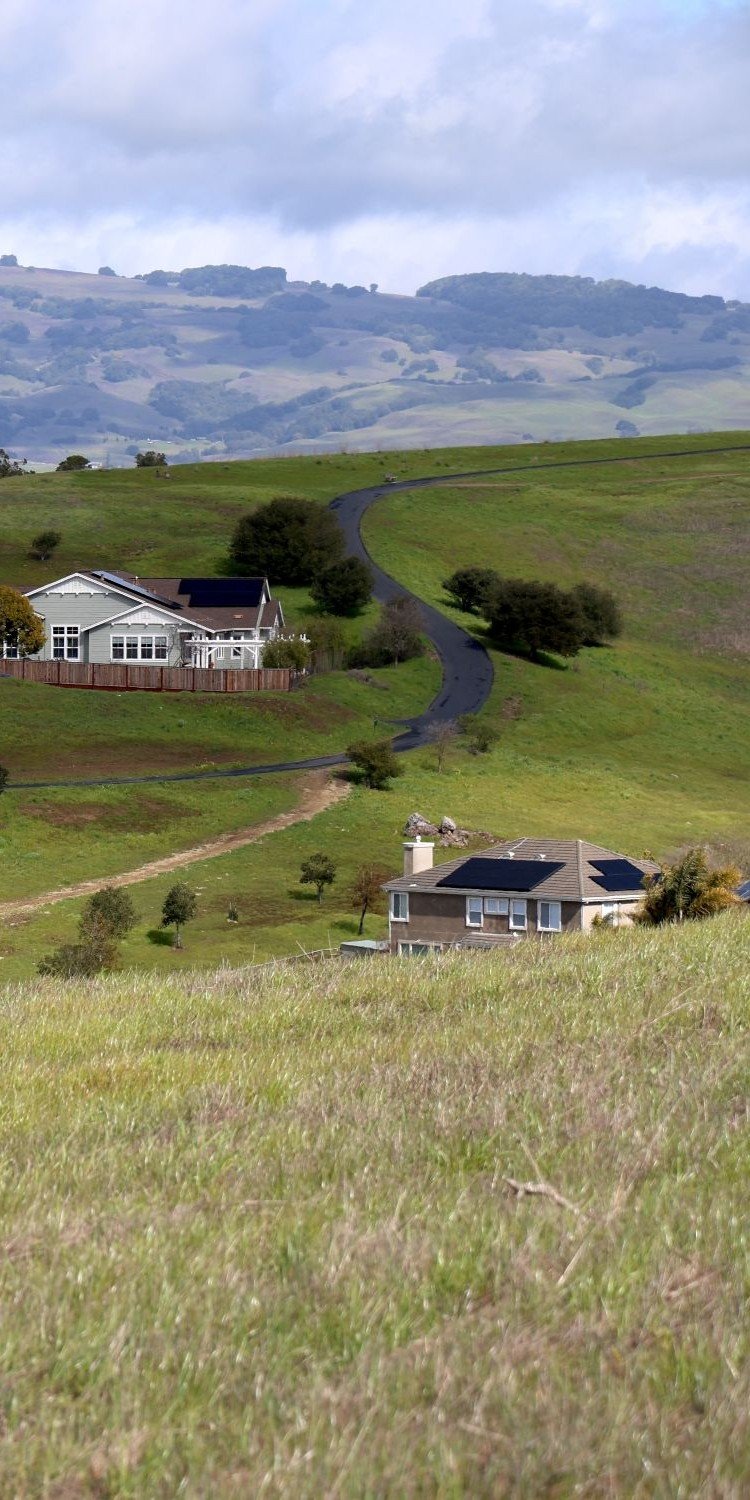
Picture two listings in Rohnert Park, both under contract-ready condition, both close to the same square footage, both priced within a few thousand dollars of each other. One sits in an older pocket of the city. The other sits in a subdivision built in the last few years. On paper they look like the same monthly payment. They are not, and the difference has nothing to do with the house.
It comes down to a line that shows up on the property tax bill, not the listing sheet: a special tax tied to a Community Facilities District, better known by its old nickname, Mello-Roos. And this spring, Rohnert Park gave buyers a fresh reason to ask about it before they write an offer, not after.
The city just did this again
On April 28, 2026, the Rohnert Park City Council held a public hearing on forming a brand new Community Facilities District, CFD No. 2026-01, tied to a development called Redwood Crossings. The council followed through. Ordinance 993, authorizing the special tax within that district, was adopted on May 12, 2026. Starting in fiscal year 2026-27, the maximum special tax on property in that district runs $1,066 per residential unit, with automatic increases tied to the consumer price index starting the following June.
Redwood Crossings itself is an apartment project approved for up to 156 units on the old Press Democrat printing plant site off Business Park Drive, developed by Petaluma-based Advanced Building Solutions. The tax funds ongoing city services for that property: patrol coverage, upkeep of the landscaping, curbs, and sidewalks, and maintenance of the storm drain system serving the site.
That project alone will not affect a buyer shopping for a single-family home across town. What it confirms is a pattern worth paying attention to. This is not Rohnert Park's first time reaching for this tool. Back in January 2020, the city formed CFD No. 2019-01, known as Westside Residential Services, to fund similar ongoing services for a residential development on the city's west side. Two districts in six years, both formed for the same reason: covering costs that the standard 1% property tax rate does not stretch far enough to reach.
If you are shopping anything built or approved recently in Rohnert Park, condo, townhome, or single-family, the odds that the parcel sits inside one of these districts are higher than they would have been a decade ago, and City Hall has just shown it is willing to create another one whenever a new project calls for it.
Why this exists at all
The short version: Proposition 13 capped property tax increases in 1978, which left cities with far less room to fund the roads, patrol coverage, and park upkeep that new development requires. The Mello-Roos Community Facilities Act of 1982 gave cities a workaround. Rohnert Park uses it the way most growing California cities do, forming a district around a specific development and levying a special tax on the parcels inside it.
It doesn't behave like the rest of your tax bill
This is the part that catches buyers off guard. A Mello-Roos special tax is not calculated as a percentage of your home's value the way your base property tax is. It is a flat, fixed amount set when the district is formed, and it does not shrink if home values dip. It also is not subject to the 2% annual cap that protects your regular assessed value under Prop 13. Some districts index the tax to inflation instead, which is exactly what Rohnert Park built into the Redwood Crossings ordinance.
Here is how the city's two known residential districts compare on the basics:
| District | Formed | What it funds | Per-unit tax |
|---|---|---|---|
| CFD No. 2019-01, Westside Residential Services | January 2020 | Ongoing residential services | Not listed in the public notices reviewed |
| CFD No. 2026-01, Redwood Crossings | May 2026 | Public safety, landscape and storm drain maintenance | $1,066 for FY 2026-27, rising with CPI |
The gap in that first row is intentional. Rohnert Park's public notices for the 2019 district describe the services being funded but the per-parcel dollar figure sits in documents this research did not turn up. That is itself a useful data point: exact CFD numbers are not always easy to find from the outside, which is precisely why you verify them parcel by parcel rather than assuming a number based on a nearby project.
A fixed annual tax in the four figures also does real work against your buying power. Lenders count a Mello-Roos tax in your debt-to-income ratio the same way they count your mortgage payment and homeowner's insurance. A few hundred dollars a month in special tax can trim what you qualify to borrow, even though it never appears on the home's advertised price.
The disclosure clock starts the moment escrow opens
California does not leave this to chance, at least not entirely. Civil Code Section 1102.6 requires a seller of property inside a Community Facilities District to give the buyer a formal Notice of Special Tax. That notice is supposed to spell out which district the property sits in and what the tax currently costs.
The practical risk is not that the law doesn't exist. It's that timing and paperwork can slip, especially on a fast-moving contract, and a buyer who doesn't ask the question directly may not see the number until a lender's disclosure package lands mid-escrow, well after they picked their target price.
Before you write an offer on anything newer in Rohnert Park
- Ask your agent to pull the preliminary title report as early as possible. Special tax liens show up there.
- Request the seller's most recent property tax bill. Any active CFD will appear as its own line item, separate from the base 1% rate.
- If the property is new construction or part of a recent subdivision, ask the builder or listing agent directly whether the parcel sits inside a Community Facilities District, and get the current annual amount in writing.
- Give your lender the number as soon as you have it. It affects your qualifying debt-to-income calculation, not just your monthly budget on paper.
- If you're comparing two similarly priced homes, run the real annual cost side by side, base property tax plus any special tax, before you decide which one is the better value.
None of this means a home with a Mello-Roos tax is a worse choice. The services it funds, from street maintenance to storm drain upkeep, are real costs that somebody has to cover, and a new subdivision without that tax may simply be paying for the same things through a higher purchase price instead. The point is that you cannot compare two Rohnert Park listings fairly until you know which model you're looking at.
A few common questions
Does the tax ever go away? Most Mello-Roos taxes tied to bond financing expire once the bonds are paid off, typically 20 to 40 years after formation. Service-only districts like Redwood Crossings can continue as long as the city keeps providing the service, so ask specifically whether the district you're looking at has a sunset date or runs indefinitely.
Can I negotiate the price down to offset it? You can factor it into your offer the same way you'd factor in any other known ongoing cost. It's a conversation worth having with your agent before you set your number, not after you're already in contract.
Does every new development in Rohnert Park have one? No. Not every subdivision or condo project sits inside a Community Facilities District. The safest approach is to verify parcel by parcel rather than assume based on the neighborhood or the build year.
If you're weighing a newer listing in Rohnert Park against something older, or you just want someone to pull the numbers before you fall for a floor plan, Michael Pellegrini can walk through the actual tax picture with you, property by property, before you write an offer.