Thinking about relocating to Santa Rosa? It is easy to focus on photos and price tags, but a smart move starts with knowing how the city actually lives day to day. If you want a clearer picture of housing, commute options, neighborhood patterns, and what buying here really involves, this guide will help you set realistic expectations before you start touring homes. Let’s dive in.
What Santa Rosa feels like on paper
Santa Rosa is a city of 177,524 residents, which gives you a real city feel without the scale of a major metro. The homeownership rate is 56.7%, the median owner-occupied home value is $713,900, and median gross rent is $2,152 based on recent Census data.
For many relocation buyers, that points to a market where both owning and renting are common, and where housing choices are not one-size-fits-all. The city also describes its housing options as spanning downtown apartments, workforce housing, senior housing, and established residential communities.
Expect a competitive but workable market
If you are moving to Santa Rosa, expect competition, but not constant chaos. Recent market snapshots show a median listing price of $859,000 in Santa Rosa, while Sonoma County posted a median sale price of $841,975, with homes spending roughly 32 to 35 days on market.
That pace matters because it suggests you may have time to evaluate a home carefully, but not forever. Data also shows 39.2% of homes in Sonoma County selling above list price, which means strong homes can still attract aggressive offers.
What that means for you
You should be ready to move quickly when a home matches your goals, budget, and comfort level. At the same time, a rushed decision can be costly in Santa Rosa, especially if you skip careful review of disclosures, hazards, or property condition.
A calm, step-by-step plan usually works better than trying to react emotionally. In this market, preparation often matters more than pressure.
Santa Rosa has more housing variety than many buyers expect
One common mistake relocation buyers make is assuming Santa Rosa is mostly detached single-family homes in similar-looking neighborhoods. The city’s zoning and density patterns tell a different story.
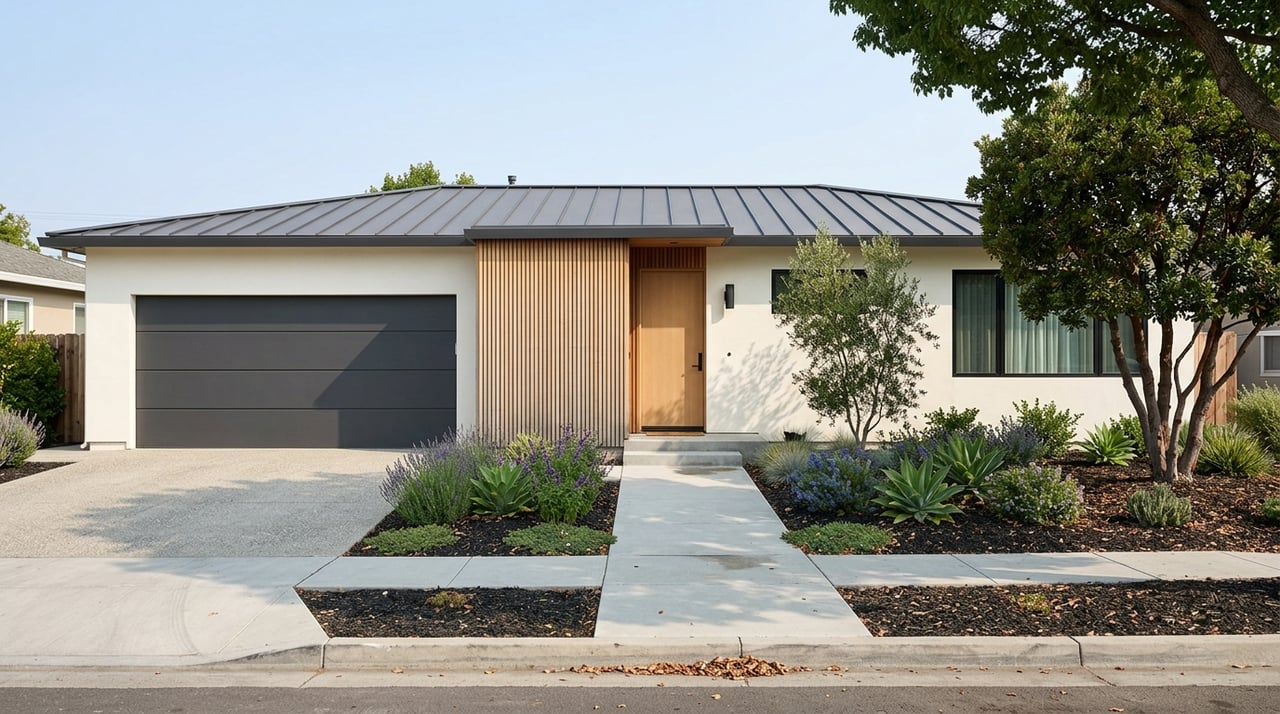
Santa Rosa includes rural residential areas, lower-density single-family areas, multifamily zones, transit-oriented higher-density areas, and missing-middle housing designed to add more homes without losing a residential scale. In practical terms, you can find everything from older historic homes to ranch-style properties, condos, townhomes, and housing near transit and shopping.
Neighborhood patterns vary
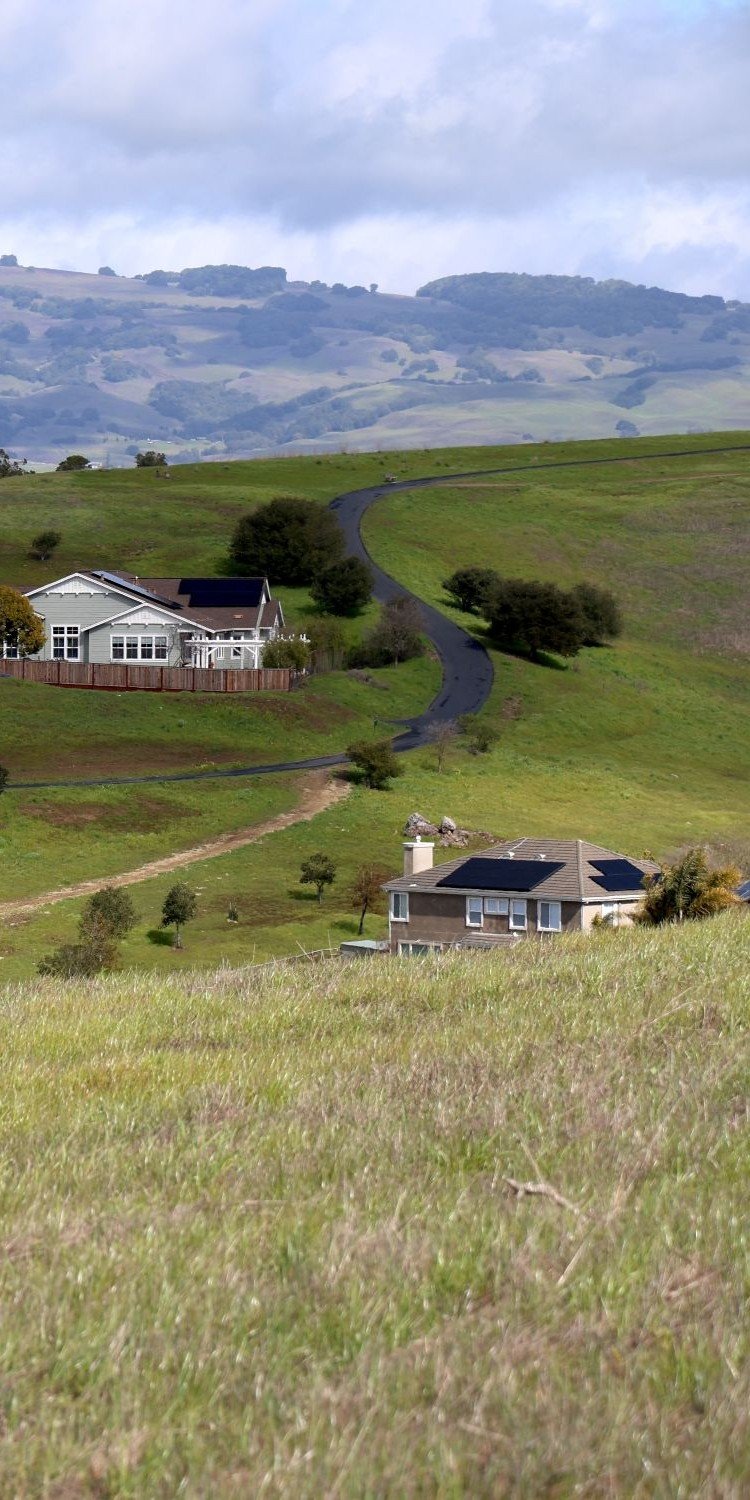
Santa Rosa’s neighborhood areas have distinct physical patterns and housing eras. The city identifies examples such as the St. Rose Historic District, with homes dating from 1872 through the 1940s, Edgewood Farms with early-1950s mid-century ranch homes, and Fountaingrove II as a wildlife-urban-interface community shaped by both natural surroundings and fire safety considerations.
The city also points to areas like Coffey Park, Bennett Valley, Oakmont, and Roseland as active neighborhood areas. For a relocation buyer, the key takeaway is simple: you should expect different lot sizes, home ages, street patterns, and day-to-day convenience depending on where you focus.
Older housing stock means condition matters
Santa Rosa’s housing stock is relatively mature. According to the city’s consolidated plan, 10.5% of housing units were built before 1950, 41% were built between 1950 and 1979, 32% between 1980 and 1999, and 16.3% in 2000 or later.
That age mix can be a good thing if you want established neighborhoods and a wider range of home styles. It also means you should expect inspections, repairs, and retrofit questions to matter just as much as layout and finishes.
Questions worth asking early
When you are comparing homes, pay close attention to:
- Roof age and condition
- Heating and cooling systems
- Windows and insulation
- Electrical and plumbing updates
- Signs of deferred maintenance
- Inspection recommendations
- Fire-safety or vegetation-related obligations where relevant
A beautifully updated kitchen does not always tell you what you need to know about the structure or systems. In Santa Rosa, the smartest buyers look beyond cosmetics.
Daily life may be easier than you think
Relocation is not only about the house. It is also about how your week will work once the boxes are unpacked.
Santa Rosa’s mean travel time to work is 22.9 minutes, which may feel manageable if you are coming from a larger, more congested region. For buyers who want alternatives to driving everywhere, the city’s transit network adds flexibility.
Transit and regional connections
Santa Rosa CityBus operates 17 fixed routes with more than 400 stops and timed transfers through the downtown Transit Mall. That transit hub also connects with Sonoma County Transit, Golden Gate Transit, and Mendocino Transit.
SMART adds another regional option, with stations at Santa Rosa North, Santa Rosa Downtown, and Sonoma County Airport. The Downtown station connects with the Transit Mall, and the Airport station connects to Charles M. Schulz Sonoma County Airport and nearby employment areas.
Airport access is a real plus
Charles M. Schulz Sonoma County Airport sits about 6 miles northwest of Santa Rosa. It offers scheduled service and nonstop flights on Alaska, American, and Southwest to multiple West Coast and national destinations.
If you split time between regions or travel often for work, that convenience may play a bigger role in your home search than you expect.
Convenience depends on where you buy
Santa Rosa does not function like a city with just one center of activity. Downtown serves as a hub for retail, dining, entertainment, culture, services, finance, and government, but it is not the only place where everyday errands happen.
Other major shopping areas include Coddingtown, Montgomery Village, Roseland, Santa Rosa Avenue retail, and neighborhood shopping centers anchored by grocery stores. That means your experience of convenience can change a lot depending on whether you want a more central, car-light lifestyle or easier access to larger retail corridors.
Outdoor access is part of the value
For many people relocating to Santa Rosa, outdoor space is not a bonus. It is part of the reason to move.
Santa Rosa Recreation and Parks maintains more than 1,100 acres and 72 neighborhood and community parks. Howarth Memorial Park alone covers 137.79 acres and includes trails, Lake Ralphine, boating, fishing, pickleball, tennis, and picnic areas.
Sonoma County also offers daily-use trail options beyond neighborhood parks. One example is the 8.5-mile Joe Rodota Trail, which links downtown Santa Rosa and Sebastopol.
ADU potential can expand your options
If you want flexibility for guests, work-from-home use, multigenerational living, or future rental potential, Santa Rosa’s ADU rules are worth noting. The city says some single-family lots may allow up to two ADUs plus one JADU, and some multifamily properties may allow converted ADUs up to 25% of existing units.
That does not mean every property is a fit, but it does mean you should not evaluate a lot only by what is there today. In some cases, future use potential may shape your buying decision.
Hazard review is not optional in Santa Rosa
This is one of the most important expectations to set before you relocate. In Santa Rosa, hazard review should be part of your home search from the beginning, not something you think about after your offer is accepted.
The city has designated evacuation zones for the entire community, along with an address lookup tool, preliminary FEMA flood maps, and a Vegetation Management Ordinance requiring defensible space throughout the wildlife-urban-interface areas. If a home is in a flood-prone or fire-prone area, insurance and mitigation questions should be part of your decision process early.
Why disclosures matter here
California requires meaningful seller disclosures, and Santa Rosa buyers should take them seriously. The Real Estate Transfer Disclosure Statement covers property condition and known hazards or defects, and sellers must also provide a Natural Hazard Disclosure Statement covering items such as flood zones, dam inundation, very high fire hazard severity zones, wildland fire, earthquake fault zones, and seismic hazard zones.
If these disclosures are delivered after acceptance, the California Department of Real Estate states that a buyer may have three days to terminate if delivered in person or five days if mailed. That timeline makes it important to review documents promptly and ask questions before removing contingencies.
The offer process is detailed and contingency-driven
Relocation buyers are often surprised by how document-heavy California transactions can feel. According to the California Department of Real Estate, your offer should include any contingencies or special conditions you want, including financing, repairs, pest inspection, home inspection, or a home warranty.
Escrow is the process that holds money and documents until contract conditions are met. In plain terms, you should expect several checkpoints between offer acceptance and closing.
A practical buying sequence
A solid relocation plan in Santa Rosa often looks like this:
- Narrow your search by commute, lifestyle needs, and home type.
- Compare neighborhoods based on housing style, access, and day-to-day convenience.
- Check flood, wildfire, and evacuation exposure for any property you seriously consider.
- Review disclosures carefully before removing contingencies.
- If relevant, review HOA documents or subdivision public report materials.
- Write an offer with financing and inspection terms that match your comfort level.
This kind of structure helps reduce stress and keeps you from making decisions out of order.
Condos, townhomes, and subdivisions need extra document review
If you are considering a condo, townhouse, or newly built subdivision, expect another layer of paperwork. The California Department of Real Estate notes that subdivision public reports may include CC&Rs, HOA costs, assessments, and other material disclosures, and they must be provided before you become obligated to purchase.
That is especially important for relocation buyers who may be less familiar with shared-maintenance rules or monthly fee structures. A lower-maintenance property can be a great fit, but only if the documents match your expectations.
The bottom line for relocation buyers
Santa Rosa offers more variety than many out-of-area buyers expect. You can find different housing types, a manageable commute profile, strong outdoor amenities, regional transit connections, and neighborhood patterns that support very different lifestyles.
The biggest key is going in with clear expectations. Price is only one part of the decision. Home age, hazards, disclosures, commute patterns, and future flexibility all deserve a place in your plan.
If you want a calm, step-by-step approach to relocating to Santa Rosa, Michael Pellegrini can help you build a smart plan, narrow your options, and move forward with more clarity and less stress.
FAQs
What should homebuyers expect about Santa Rosa home prices?
- Santa Rosa buyers should expect pricing in the upper-$700,000s to mid-$800,000s based on recent market snapshots, with some homes still selling above list price.
What should relocation buyers expect from Santa Rosa neighborhoods?
- Santa Rosa neighborhoods vary widely in home age, layout, density, and convenience, so you should expect a mix of historic homes, ranch properties, multifamily housing, and transit-oriented areas rather than one uniform housing style.
What should buyers expect about natural hazard disclosures in Santa Rosa?
- Buyers should expect to review disclosures covering property condition plus hazards such as flood zones, fire hazard severity zones, wildland fire exposure, dam inundation, and seismic risks.
What should condo and townhouse buyers expect in Santa Rosa?
- Buyers should expect additional review of HOA documents, CC&Rs, assessments, and subdivision public report materials before becoming obligated to purchase.
What should commuters expect when relocating to Santa Rosa?
- Buyers should expect a mean commute time of 22.9 minutes citywide, plus access to local bus service, regional transit connections, SMART rail stations, and a nearby regional airport.