Looking at homes in Healdsburg can feel a little like shopping in several markets at once. You might tour a Victorian cottage with original details in the morning, a 1990s single-family home in the afternoon, and a rural property with a larger lot by evening. If you want to understand what those differences really mean for layout, maintenance, and future plans, this guide will help you sort through the tradeoffs with more confidence. Let’s dive in.
Why Healdsburg home styles vary
Healdsburg has a housing mix that leans heavily toward detached single-family homes. City housing data shows that 74% of the housing stock was single-family detached in 2020, with the largest share built between 1980 and 1999.
That matters because you are not shopping in a market full of brand-new construction. Only 2.9% of the current housing stock has been built since 2010, so many buyers end up comparing older historic homes, later 20th-century houses, and a smaller set of multifamily or infill options.
The city also identifies a mix of duplexes, triplexes, townhomes, cottage clusters, and ADUs as part of the local housing landscape. So while detached homes dominate, you may still find smaller-format options depending on your budget, lifestyle, and long-term goals.
Historic homes in Healdsburg
If you are drawn to charm, Healdsburg’s older homes may be the ones that grab your attention first. The city has a formal preservation framework, and two locally designated historic districts are especially important for buyers to know: Johnson Street and Matheson Street.
These areas are not just visually distinct. They come with review rules that can affect what you are allowed to change on the exterior, especially if you plan to expand, rebuild, add a garage, or alter major design features.
Queen Anne and Victorian cottages
Healdsburg’s design guidelines describe Queen Anne cottages as the most common Victorian dwelling still found in the city. These homes often feature ornamental porches, bay windows, multi-gabled roofs, and decorative millwork.
For many buyers, that character is the whole appeal. But those same details can also make updates more sensitive, especially when exterior materials and original design features are part of what gives the home its identity.
Craftsman and bungalow homes
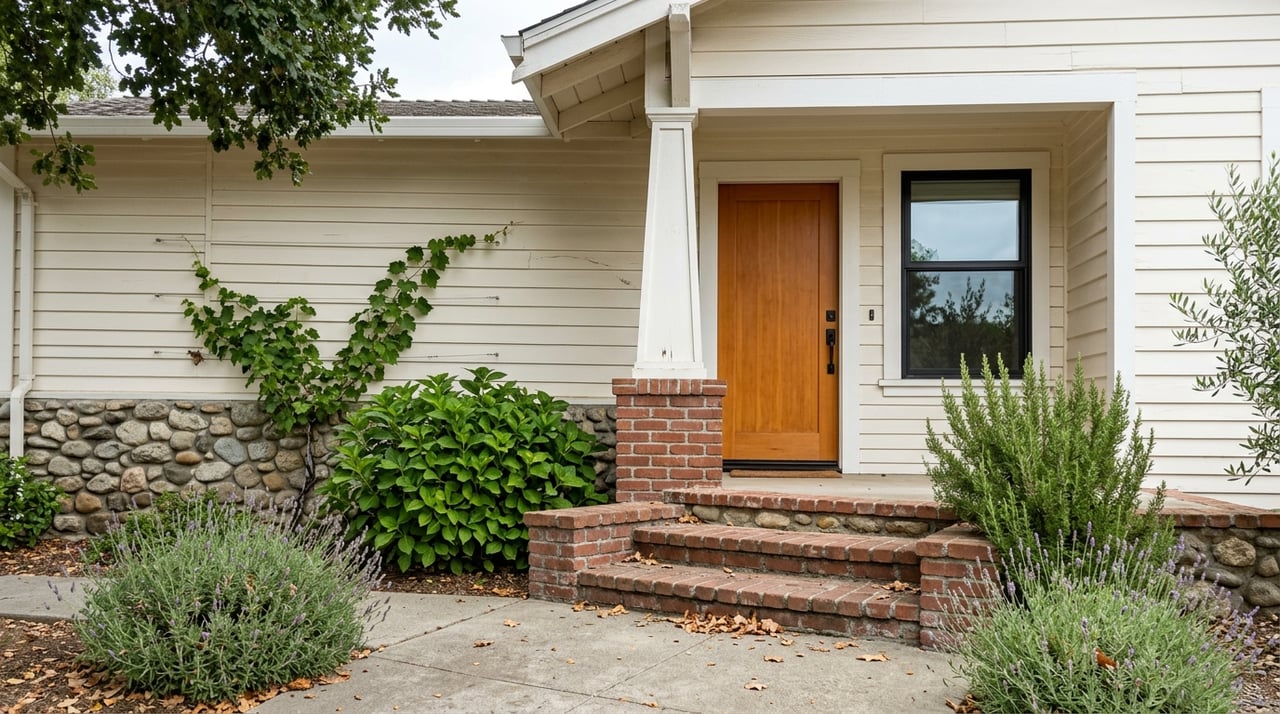
In the early 1900s, bungalows and transitional homes became more common in Healdsburg. Craftsman bungalows often include broad porch pillars, overhanging eaves, exposed beams, sleeping porches, and natural materials.
These homes tend to offer a warm indoor-outdoor feel that many buyers love. They can also come with more exterior features that need regular attention over time, especially wood elements and porch details.
Other historic and period styles
Healdsburg’s historic areas also include Homestead, Victorian, Italian Renaissance, and other Revival styles. That means you may see more variety than you expect, even within older neighborhoods.
The practical takeaway is simple: age alone does not tell you everything. Two homes from a similar era can differ a lot in design, condition, and how easy they are to modify.
What historic district rules mean for buyers
If a home is in the Johnson Street or Matheson Street Historic District, future projects may require special review. Exterior changes, additions, second floors, garages, and demolition can all trigger a review process.
Smaller projects under 25% of the existing floor area may qualify for staff review. Larger additions, new second stories, and demolition move into a more intensive review path.
Attached garages are generally discouraged in these districts. So if your long-term plan includes major expansion or a more modern exterior redesign, it is smart to confirm the review path before you make assumptions.
Character-defining features matter
In historic homes, original details are more than cosmetic. The city identifies character-defining features as things like the overall shape of the building, original materials, craftsmanship, decorative details, and site elements.
That means a buyer should pay close attention to what remains intact and what has already been altered. A historic home with preserved original features may offer more architectural value, but it may also require a more careful approach to repairs and updates.
Later-built homes and newer infill
Not every Healdsburg home comes with historic constraints. Because much of the city’s housing stock was built from 1980 to 1999, many buyers will also see more conventional detached homes with layouts and systems that feel more familiar.
These homes may offer a different balance of space, upkeep, and flexibility. You may find floor plans that better match modern living patterns, along with fewer preservation-related limits on future changes.
The city’s design guidelines also note that contemporary designs are not discouraged when they fit the setting. So newer infill and contemporary homes can exist alongside older architecture, especially in areas outside the historic core.
Rural and vineyard-adjacent properties
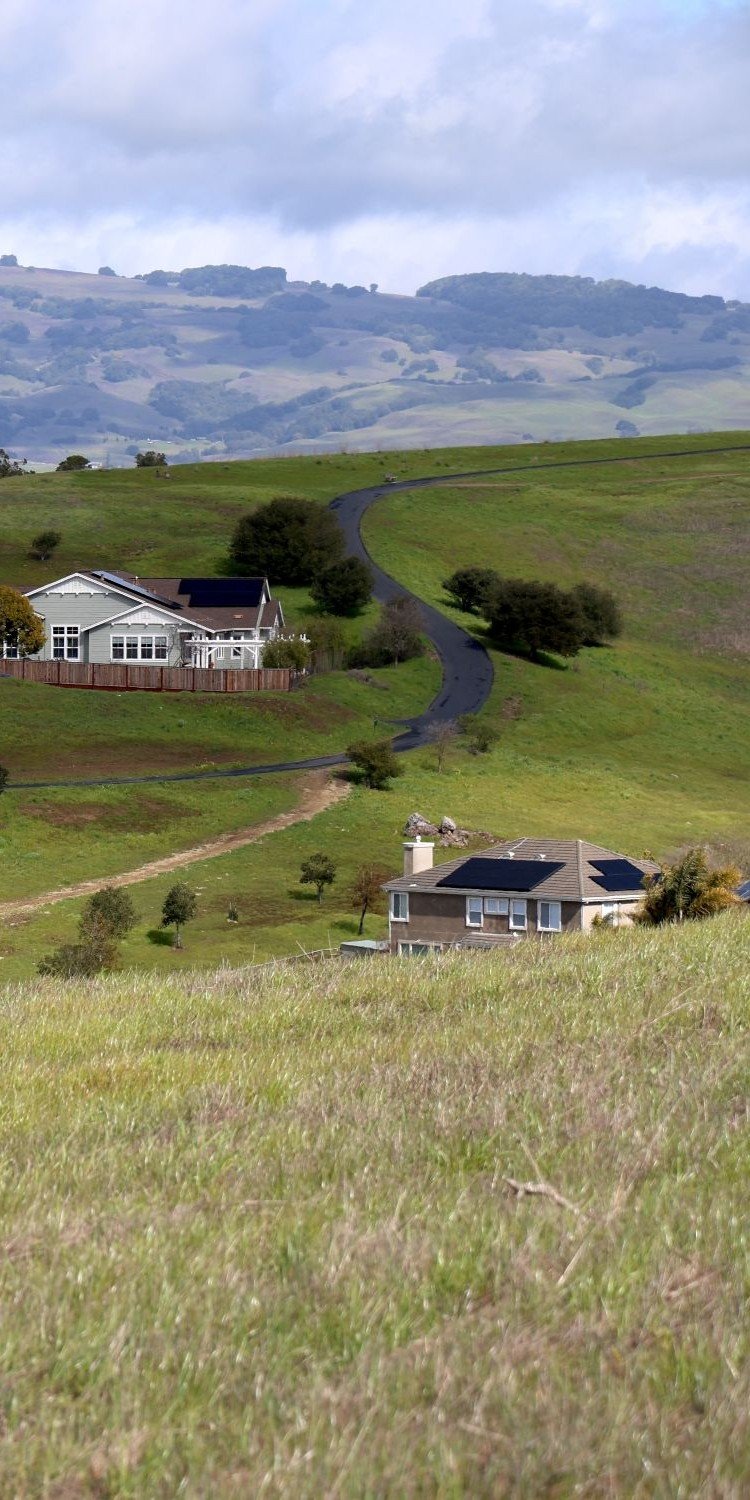
Once you move outside the denser part of Healdsburg, the questions often change. Larger custom homes and rural parcels can offer more land and privacy, but they may also come with infrastructure issues that do not usually come up with an in-town cottage.
For these properties, you should ask early about water source, septic, site access, and landscape maintenance. Sonoma County Permit Sonoma handles well and septic permits, and county review may matter if past work or future remodeling affects private wastewater systems.
This is one area where a step-by-step review really helps. A larger lot can be appealing, but it often comes with more systems to evaluate and more ongoing responsibility.
How style affects upkeep
Home style is not just about looks. In Healdsburg, it often shapes how much maintenance you should expect and where your inspection focus should go.
Historic homes are often wood-framed and date to the late 1800s or early 1900s. The city’s preservation guidance makes clear that original materials and craftsmanship matter, so buyers should look closely at roofs, wood siding, trim, porches, windows, and any enclosed additions.
A house with great character can absolutely be worth it. You just want to know whether you are taking on routine upkeep, deferred maintenance, or future repair decisions that may need a more careful approach.
Local risks buyers should factor in
In Healdsburg, home style and location often connect directly to risk planning. A charming older home downtown and a house on a larger rural parcel may face very different questions.
Wildfire readiness
The city says new buildings in moderate, high, or very high fire severity zones must comply with Wildland-Urban Interface standards. CAL FIRE also recommends a combination of home hardening and defensible space as part of wildfire readiness.
For buyers, this means you should pay attention to roof condition, ember-resistant details, and the area around the structure. Older wood-framed homes may need a closer look, especially depending on location and existing conditions.
Flood exposure
Flood risk matters too, especially near the Russian River and Foss Creek. The city identifies those as the dominant flooding hazards and notes that about 8% of residential structures are in a 1% annual chance or 0.2% annual chance flood zone.
The city also reminds residents that homeowner’s insurance does not cover flooding. If a property is in a lower-lying or river-adjacent area, reviewing flood maps and asking about prior water events should be part of your process.
Water and landscaping
Water planning is another practical factor in Healdsburg. The city says it currently gets about 80% of its water supply from the upper Russian River and about 20% from Dry Creek and Lake Sonoma, while continuing to encourage conservation.
Healdsburg also has a water-efficient landscape ordinance that applies to new projects and to certain larger remodels with contractor-installed or owner-installed landscaping over stated size thresholds. If you want extensive landscaping, a pool, or a large yard, that should be part of your budgeting and planning from the start.
ADUs and flexibility
If you are thinking ahead about a guest space, home office, or added housing flexibility, ask about ADU potential early. In Healdsburg, ADUs can be attached or detached up to 1,200 square feet, and JADUs can be up to 500 square feet within a single-family dwelling.
That does not mean every property will work the same way. Lot size, layout, access, and review requirements can all affect what is possible, so it is better to check this before you write an offer if flexibility is one of your goals.
A smart touring checklist
When you walk through homes in Healdsburg, try to connect style with real-world ownership questions. A beautiful front porch or a large lot is only part of the story.
Here are a few smart questions to ask as you tour:
- Is the property in the Johnson Street or Matheson Street Historic District, or another design-review area?
- Which original features remain, and were past alterations properly permitted?
- What condition are the roofline, siding, trim, porches, windows, and additions in?
- Is the property in a wildfire-prone setting, and what home-hardening or defensible-space features are already in place?
- Is the property near the Russian River or Foss Creek, and is it in a mapped flood zone?
- Does the home have public sewer, or does it rely on a septic system or well?
- If you want an ADU, office, or guest space, what is the likely review path?
- If you may add on later, what approvals would that future project require?
The real tradeoffs to weigh
Most Healdsburg buyers are balancing a few core tradeoffs. You may be comparing charm versus upkeep, historic character versus renovation flexibility, or lot size versus utility and hazard exposure.
There is no single best home style for every buyer. The right fit depends on how you want to live, how much maintenance you are comfortable taking on, and whether your future plans involve preserving what is there or changing it over time.
If you want help sorting through those decisions, working with a guide who can slow the process down and help you compare options clearly can make a big difference. If you are exploring Healdsburg homes and want a practical, step-by-step plan, connect with Michael Pellegrini.
FAQs
What home styles are most common in Healdsburg?
- Detached single-family homes are the most common, and buyers will often see a mix of Victorian cottages, Craftsman bungalows, later 20th-century homes, and some newer infill or multifamily options.
What should buyers know about Healdsburg historic districts?
- Buyers should know that homes in the Johnson Street and Matheson Street Historic Districts may face special review rules for exterior changes, additions, second stories, garages, and demolition.
What are character-defining features in a Healdsburg historic home?
- Character-defining features can include the home’s overall shape, original materials, craftsmanship, decorative details, and site elements that help preserve the property’s historic identity.
What should buyers check on rural Healdsburg properties?
- Buyers should confirm whether the property uses public utilities or private systems like a well or septic, and whether past or future improvements may require county review.
Do buyers in Healdsburg need to think about wildfire and flood risk?
- Yes. Depending on the property location, buyers should review wildfire readiness, defensible space, home-hardening features, flood-zone status, and possible flood insurance needs.
Can buyers add an ADU in Healdsburg?
- Healdsburg allows ADUs and JADUs under city rules, but what is possible depends on the specific property, so it is best to ask about feasibility early in the buying process.