Thinking about a move to Santa Rosa and wondering what everyday life really feels like? You’re not alone. Choosing a city is about more than home prices. It’s about your daily rhythm, commute, parks, schools, and how a place fits your routines. In this guide, you’ll get a clear, practical look at day-to-day living in Santa Rosa so you can decide with confidence. Let’s dive in.
What your day-to-day looks like
Downtown and car-light living
If you want errands on foot, coffee shops close by, and an easy rail connection, look at the Downtown and Historic Railroad Square area. The blocks around Railroad Square offer restaurants, cafés, and the SMART rail station, making short trips simple for work or weekend outings. Explore the character and walkability through the heart of Railroad Square and the California Welcome Center on this overview from Visit Santa Rosa: discover the historic core and its amenities.
A typical weekday could look like this: morning coffee on 4th Street, a short walk to the SMART station for a meeting in Marin, then dinner with friends near Courthouse Square. Grocery runs and most errands are still easier by car, but downtown living reduces many daily drives.
Suburban family routine
If you prefer quiet streets and yard space, neighborhoods like Rincon Valley, Bennett Valley, and the Montgomery/Montecito corridors are common picks. You’ll find single-family homes, local parks, and schools nearby. Weekdays often mean quick school drop-offs, a short commute to healthcare or education employers, and evening walks around nearby parks.
Weekends often revolve around outdoor staples like Spring Lake and Howarth Park. Spring Lake Regional Park is a go-to for family picnics, trail loops, and water activities in season. See what makes it a favorite here: Spring Lake’s amenities and summer highlights.
Hillside and outdoor-forward living
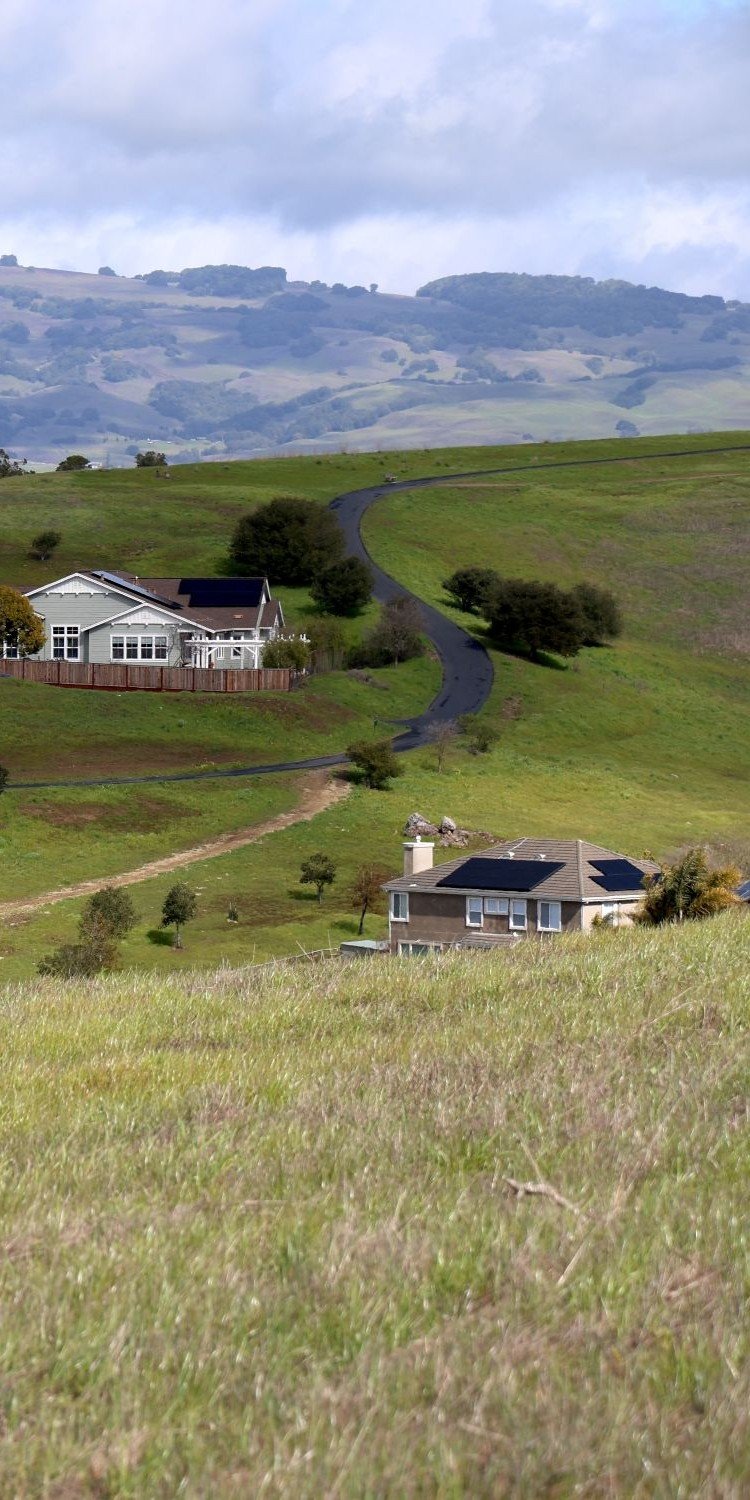
If views and trail access are top priorities, check the north and hillside areas, including parts of Fountaingrove and the eastern foothills near Annadel. Daily life often includes sunrise walks, quick trail runs, and scenic drives to grocery and dining. Expect a more car-based routine with tradeoffs that include larger lots, newer homes in some areas, and easy access to outdoor recreation.
Because some hillside areas were impacted by the 2017 fires, plan extra due diligence on insurance and defensible space. Many rebuilt homes offer newer construction and updated systems, which some buyers value for peace of mind.
Getting around
Most residents drive for daily errands, though downtown makes car-light living more realistic. Santa Rosa CityBus provides local routes and accepts Clipper, which helps for quick trips or connections to the Transit Mall. Get basics on passes and routes here: Santa Rosa CityBus fares and passes.
For regional trips, the SMART rail line serves multiple Santa Rosa stations, including Downtown and Sonoma County Airport. It is a convenient north–south link through the North Bay. See station options here: SMART stations overview.
Typical one-way commutes average about 22 to 23 minutes, which is short compared with many Bay Area cities, according to the U.S. Census Bureau. You can review the snapshot here: Santa Rosa QuickFacts.
If you fly frequently, Charles M. Schulz–Sonoma County Airport (STS) sits on the north side of town. Routes change over time, but you can find current carriers and FAQs here: STS passenger information.
Costs to expect
Santa Rosa’s median value of owner-occupied homes is about $685,000 based on recent Census estimates. This provides a grounded baseline for the market over time. You can explore the city’s overall snapshot here: U.S. Census QuickFacts for Santa Rosa.
Real-time listing prices vary month to month and depend on neighborhood, housing type, and features. In general, Santa Rosa tends to be more expensive than the national average but below the top Bay Area tiers. Your price point, commute, and lifestyle goals will guide which areas fit best.
Schools and services
Santa Rosa City Schools operates the local K–12 campuses. To view current schools and boundaries, use the district’s resources here: Santa Rosa City Schools — Our Schools. For higher education and community programs, Santa Rosa Junior College is a major local presence with multiple campuses.
Healthcare access is strong, with multiple systems serving the area. For a sense of one option and location details, see Sutter Santa Rosa Regional Hospital. Kaiser Permanente and Providence also operate major facilities in Santa Rosa. This local network is a key comfort for buyers who prioritize emergency and specialty care.
Safety and hazards
Wildfire is a reality in Sonoma County, and the 2017 Tubbs Fire shaped Santa Rosa’s housing and planning. The city and county have focused on rebuilding, updated standards, and ongoing community preparedness. If you are considering hillside or wildland-adjacent properties, include wildfire insurance, defensible space, and evacuation planning in your due diligence. For context on lessons learned and local planning efforts, review this reporting: The Press Democrat on Santa Rosa’s fire lessons.
During your home search, ask for property-level fire-risk information and insurance quotes early. Many buyers also keep a simple “readiness” checklist after move-in, which can be part of your homeowner orientation.
Neighborhood snapshots
- Downtown and Railroad Square: Compact, walkable, and social. The SMART station sits in Railroad Square, and you’ll find cafés, restaurants, and events around Courthouse Square. Explore an on-the-ground intro from Visit Santa Rosa: discover Railroad Square.
- Rincon Valley and Bennett Valley: Tree-lined streets, nearby parks, and a quieter feel. Many families choose these areas for yard space and simple local drives to schools and shopping.
- Fountaingrove and northern hills: Mix of newer construction, scenic outlooks, and larger lots in parts. Rebuilt homes are common in some sections and may come with updated systems and modern codes.
- Coffey Park and nearby rebuilt areas: Extensively rebuilt after 2017, with many replacement homes and updated neighborhood infrastructure. Buyers often appreciate the neighborhood layout and newer home features.
- Roseland and the southwest: A range of housing options, strong community services, and good access to local markets and transit routes.
Sample Saturdays in Santa Rosa
- For families: Start at Howarth Park for the playground, miniature train, or lake views. Move to Spring Lake for a picnic or a lap around the trails. Wrap up with ice cream and an early dinner near Montgomery Village.
- For outdoor lovers: Take a morning trail run in Annadel, then a late breakfast nearby. Spend the afternoon at Spring Lake’s water features in season. End with a relaxed dinner in Railroad Square.
- For downtown social: Explore the Railroad Square shops, then head to Old Courthouse Square for the seasonal Wednesday Night Market. Check dates and details here: Wednesday Night Market events. Finish with dinner at a local restaurant or a brewery tasting flight.
Who thrives here
- You want shorter commutes: The average one-way time is about 22–23 minutes for many residents, which keeps more of your day open.
- You value everyday outdoor access: Trails, lakes, and parks are close to most neighborhoods.
- You prefer options: From downtown condos to suburban homes and hillside properties, your choices cover different routines and budgets.
If this feels like a fit, the next step is a focused neighborhood and price strategy. I can help you map your daily routine to the right part of town, then line up showings that match your goals.
Ready to see how your day-to-day could look in Santa Rosa? Let’s make a simple, step-by-step plan for your search. Connect with Michael Pellegrini to get started.
FAQs
What does a typical Santa Rosa commute look like?
- The average one-way commute is about 22–23 minutes citywide, and many trips are local drives with optional CityBus or SMART rail for certain routes.
Is downtown Santa Rosa walkable for daily errands?
- Downtown and Railroad Square offer compact, walkable blocks near restaurants, cafés, events, and the SMART station, which supports a more car-light routine.
Which parks are most popular for everyday use?
- Spring Lake and Howarth Park are frequent family favorites for trails, water features in season, playgrounds, and picnic areas.
How should I factor wildfire into my home search?
- Include property-level risk checks, insurance quotes, and defensible-space planning early, especially for hillside or wildland-adjacent homes.
What are the current home values in Santa Rosa?
- The median value of owner-occupied homes is about $685,000 based on recent Census figures, with live listing prices varying by neighborhood and home type.
What public schools serve Santa Rosa addresses?
- Santa Rosa City Schools operates local K–12 campuses, and you can verify specific schools and boundaries using the district’s online resources.